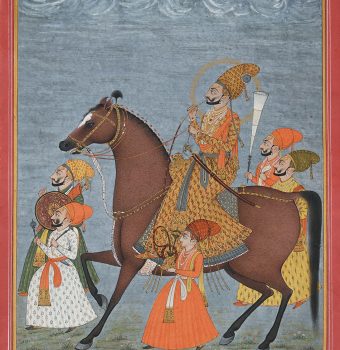
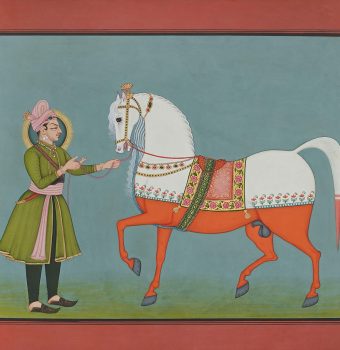
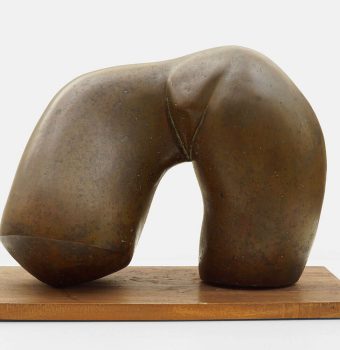
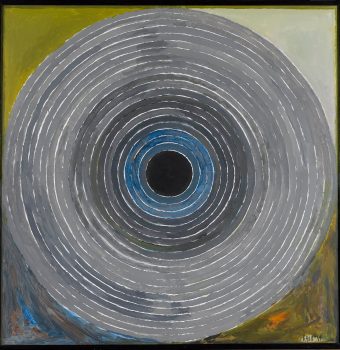
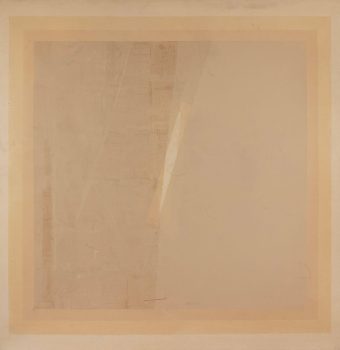
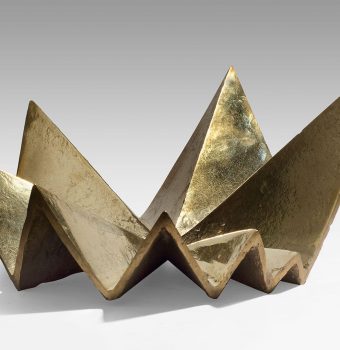
Abstraction in India has been an ancient process, rooted deeply in spiritual sensibilities. Buddhist, Jain and Vedic Hindu practices resorted widely to abstract depictions of complex ideas. Geometrical patterns and illustrations are prevalent in Hindu religious practices and manuscripts, while Jain and Buddhist texts are replete with mandalas and geometric drawings. Calligraphy and minimalist ideas also filtered into the mainstream art practice of India through interface with Mughal and Far Eastern art.
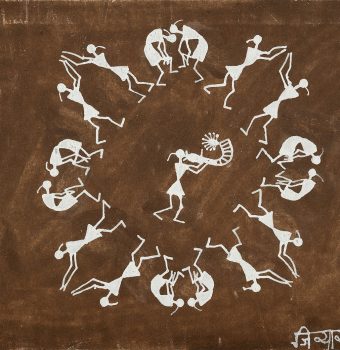
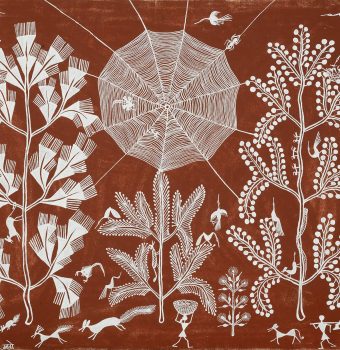
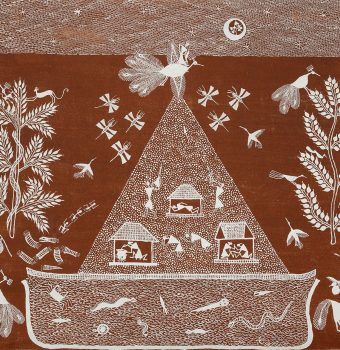
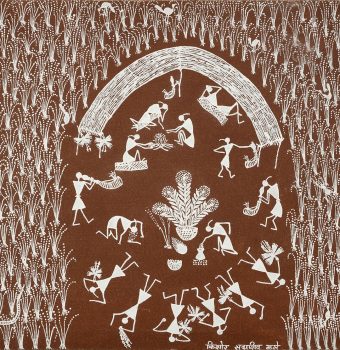
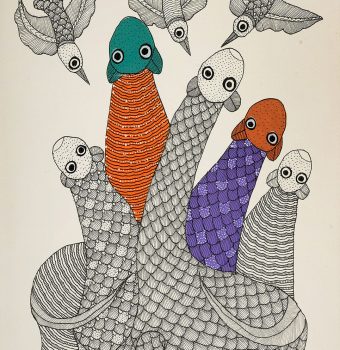
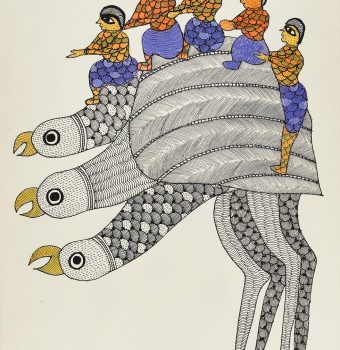
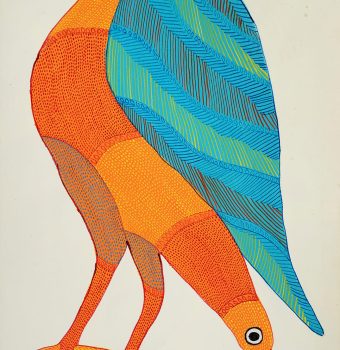
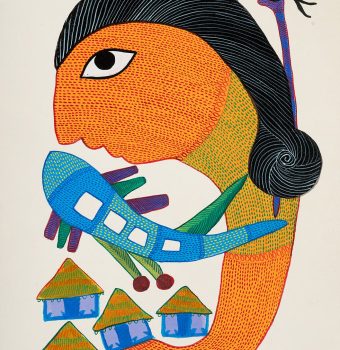
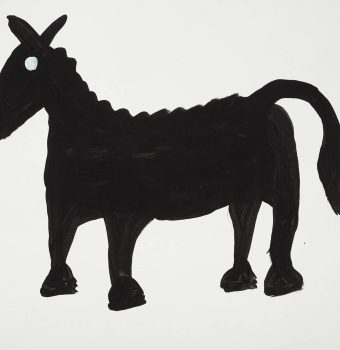
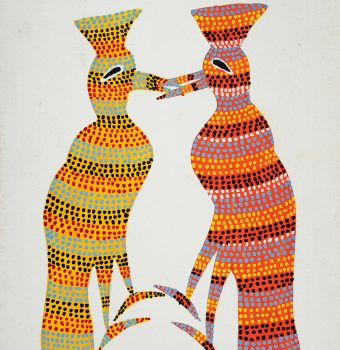
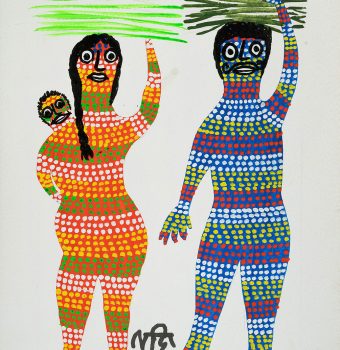
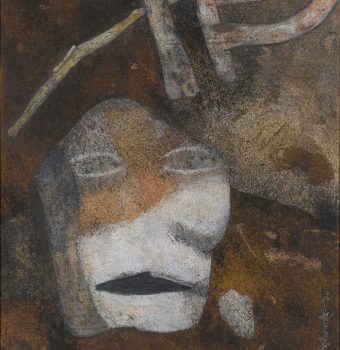
Tribal art, on the other hand, has traditionally celebrated figuration through the lens of minimalism. The ethnic population, through simple living, tried to grasp the basic tenets and essence of human life and existence. Minimalism and simplification were a natural fit to the goal and purpose of their vision. Ethnic art, therefore, traditionally followed minimalist depictions across civilizations.
Stylizations, an essential characteristic of ancient and medieval Indian and Far Eastern art, was, of course, primarily a non-naturalistic mode of expression which allowed the free play of sentiments and emotions. Minimalism, reductivism, and abstraction, at varying degrees, invariably crept into such renderings.
The ancient idea of abstraction in India arose from the profound belief that truth is embedded in an all-pervading principle beyond the realm of reality; it essentially explored man’s inner world. The goal of most religious ideas in the subcontinent was essentially to rise above the material world and realize the essence of cosmic truth. Reality always featured as something mundane, and the goal and purpose of life and human endeavour were traditionally directed towards conquering it. Much of abstract figuration was rooted in this belief. For instance, the famous ‘linga’ embedded in the ‘yoni’ is the embodiment of creation itself; the fusion of Prakriti (the female element) and Purusha (the male element) signified the ultimate harmony of the cosmic life force. The lingam in Vedic literature is rooted in the words ‘symbol’ or ‘sign’, and, in itself, is said to signify an eternal cosmic pillar without any beginning or end. Dr. Alka Pande, in her essay, gives an excellent overview of Tantric traditions, Hindu and Buddhist mandalas; Yantras; sacred geometry in Devalayas and temples and symbolism in medieval India.
Western art, on the contrary, was, till the 19th century, engaged with the naturalistic mode of representation emphasising perspective, realism and proportion, thereby depicting the accurate portrayal of Life and Nature. But towards the end of the 19th century, there was a major shift towards some interesting theosophical ideas.
In the late 19th century, a Russian-born mystic, Madame Helena Petrovna Blavatsky, came into prominence. Having migrated to New York, in 1875 she started the Theosophical Society along with an American, Colonel Henry Steel Olcott. This organization subsequently moved to Adyar near Madras (now Chennai) in 1882. Mme Blavatsky aspired to introduce ideas of occultism and mysticism within mainstream Western esotericism. Her Society gained popularity among thinkers, artists and the creative community of America and Europe.
Subsequently, we observe an interesting development.
Annie Besant, an English socialist and activist who happened to be attracted to the ideas of Mme Blavatsky, joined the Theosophical Society in Adyar in 1889. She became an ardent pupil of Blavatsky’s, and finally headed the Society as president from 1907-1933.
It was during this phase that Annie Besant introduced the mystic ideas of the East to the intellectual community of Europe, and inspired many authors and artists to follow the movement. Paul Klee, Wassily Kandinsky and Kazimir Malevich are said to have been inspired by the Theosophical ideas prevalent and fashionable among the European intellectual avant-garde of the times. However, a fascinating story of a Swedish woman artist, Hilma af Klint, soon emerged in 1907.
Af Klint’s paintings could be described as the first abstract art of Europe. Her works predate those of Klee, Kandinsky, Malevich and Piet Mondrian, and it is widely believed that these artists were deeply impacted by af Klint. This young Swedish artist belonged to a group of five — all women — who were profoundly inspired by Eastern mysticism and ‘thought forms’ emanating from the ideals of the Theosophical Society movement. Her diagram-like drawings were aimed at expressing complex spiritual ideas, and she can be described as the first artist to have embarked on the dissolution of the naturalistic form which dominated Europe since ancient times.
Meanwhile, Georges Braque and Pablo Picasso, from their preoccupation with Cubism, lent further impetus to abstraction. After their initial encounter with the Theosophical movement, from which the original idea of abstraction may have been born in the West, Kandinsky, Klee, Malevich and Mondrian explored the abstract module from the context of Cubism. In due course, the four together gave European abstraction a strong footing.
Meanwhile, World War I gave further thrust and relevance to the abstract movement in Europe, when man truly lost faith in man. While T.S. Eliot raged in the post-war years, Kandinsky, Klee, Malevich and Mondrian, along with a host of others in Europe, provided a new fillip to the abstract movement.
Thereafter, following World War II, Abstract Expressionism in the United States of America led to a major revolution, and the Abstract Expressionists reigned supreme through the 1950s and 1960s. The art world was taken over by the likes of Jackson Pollock, Willem de Kooning, Mark Rothko and others, and art became a powerful medium of expression for the artist’s inner self — a kind of celebration and defiance all at once. So profound was the impact, that it still survives as a dominant art expression across the world today.
This was followed by the gradual transition to the works of Neo-Dadaists like Robert Rauschenberg and Jasper Jones. As for the artist, Agnes Martin, it would be safe to say that she remained the sole torch bearer of the quiet and reflective sentiments of the early 20th century till she finally passed away in 2004.
Having provided some background to Abstraction in the Western art scene — which was crucial for most Indian abstractionists — it is now time to come back to India. I spoke about the Theosophical movement particularly in the light of its inspiration from the Indian subcontinent.
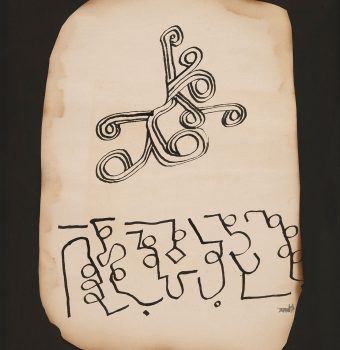
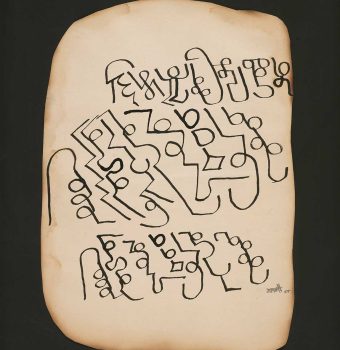
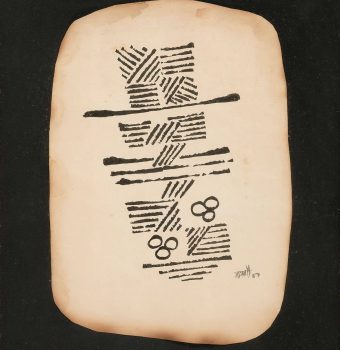
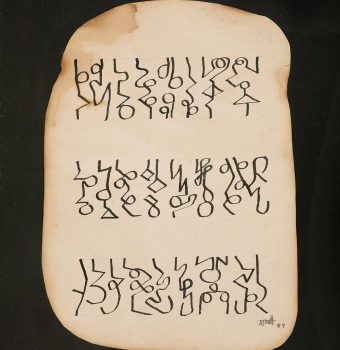
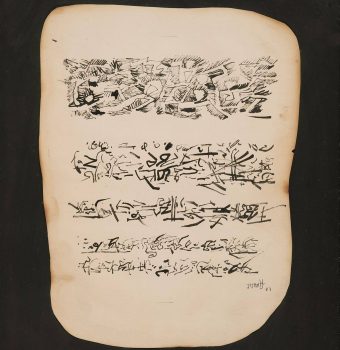
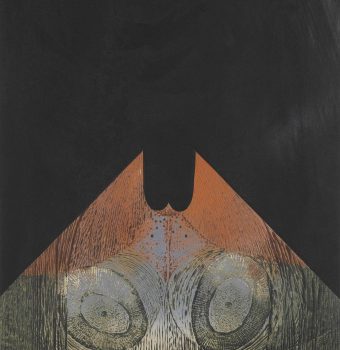
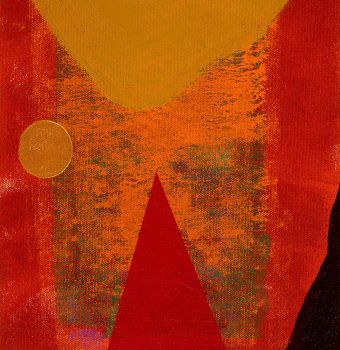
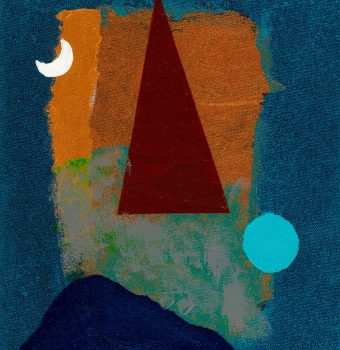
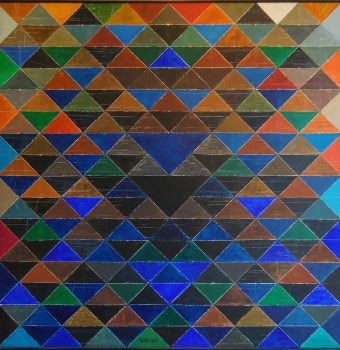
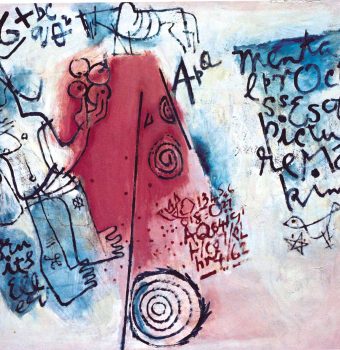
Abstraction in India evolved along two distinct paths — Western and Eastern. A group of Modernists of the 1960s and 1970s generation in India drew from their intrinsic understanding of Indian religious ideals, particularly from Hindu, Jain and Buddhist scriptures and manuscripts. KCS Panicker, Gulam Rasool Santosh, Biren De, Sohan Qadri and, to a certain extent, Sayed Haider Raza, through his Bindu series, followed neo-Tantric ideas. In fact, the term ‘Neo-Tantra’ was coined by L.P. Sihare, the Director of the National Gallery of Modern Art, New Delhi, who, in 1985, mounted a major exhibition, titled Neo-Tantra: Contemporary Indian Painting Inspired by Tradition, at the University of California in Los Angeles. Though not an organized art movement, it managed to present a cohesive body of works by a group of Indian artists who were immensely inspired by Tantric philosophy. This was, however, a brief interlude, and more or less ceased to command authority after the 1980s, as philosophical predilections changed rapidly from the 1990s.
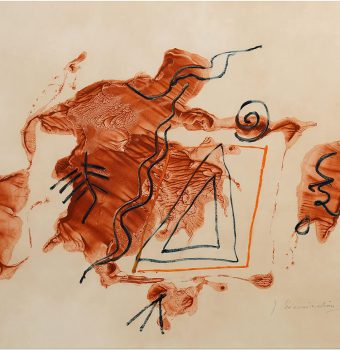
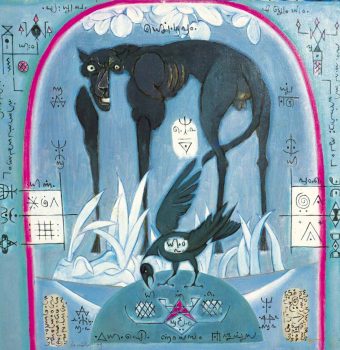
Jagdish Swaminathan, one of India’s notable artists of the 1950s and 1960s generation, started with minimalist ideas based on folk art. He also experimented with Tantric figurations, colourful Pahari paintings and miniatures till he finally concluded his career with abstract renderings that had motifs and symbols reminiscent of folk wall paintings.
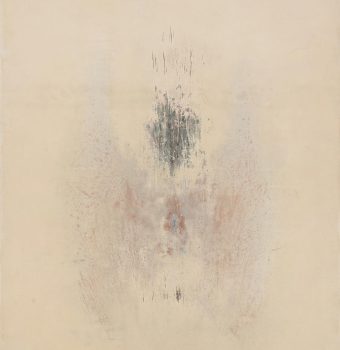
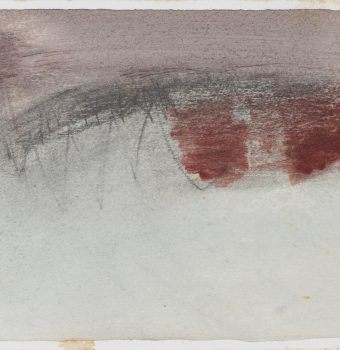
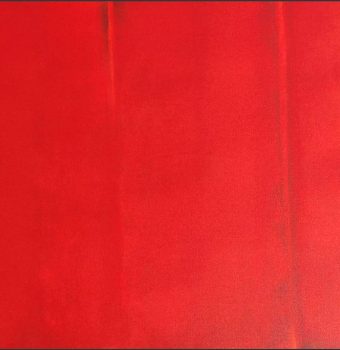
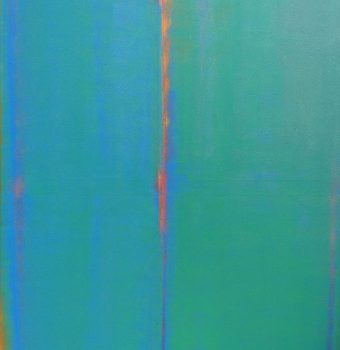
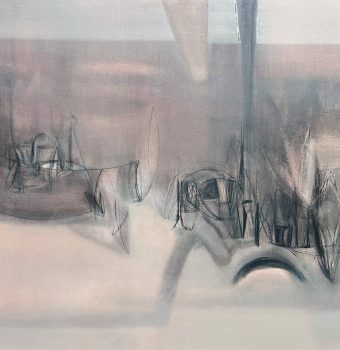
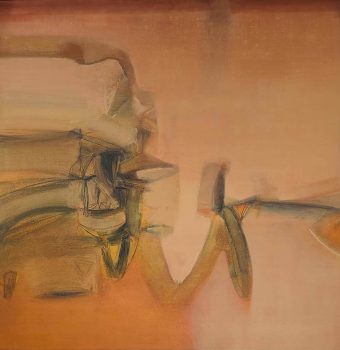
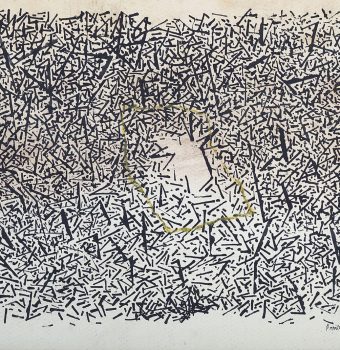
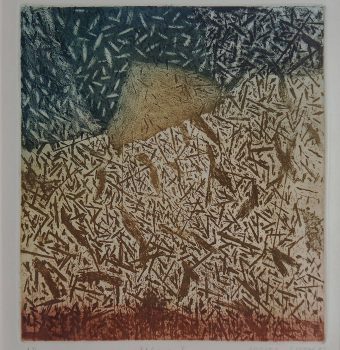
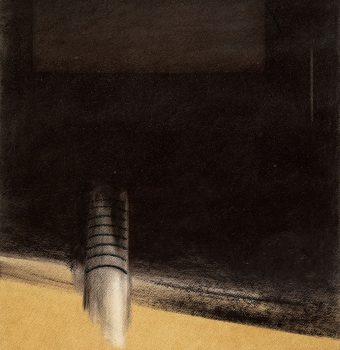
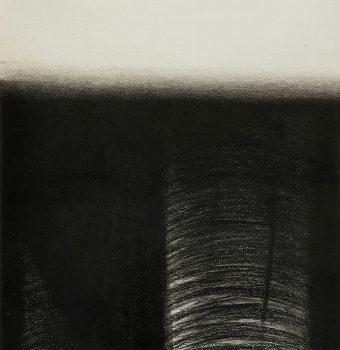
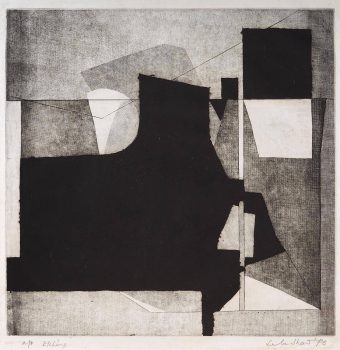
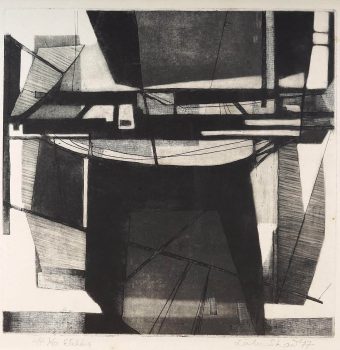
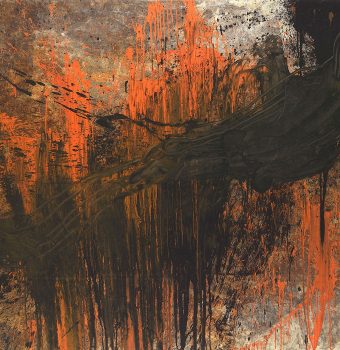
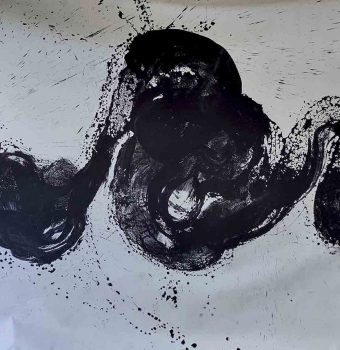
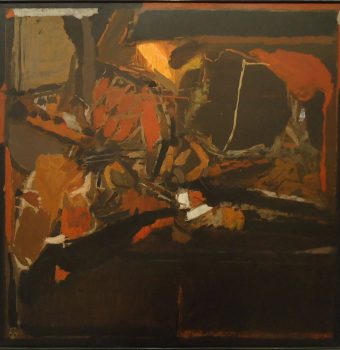
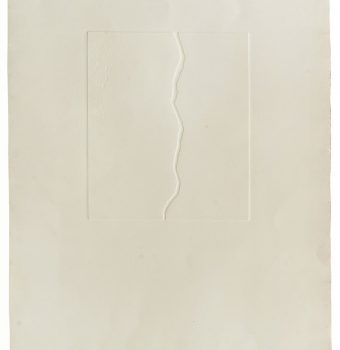
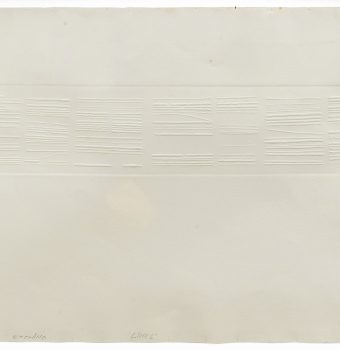
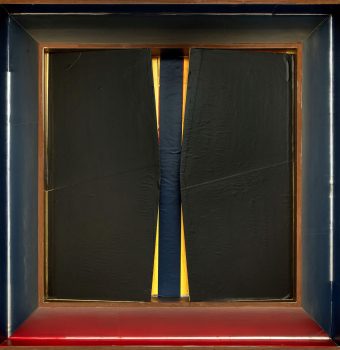
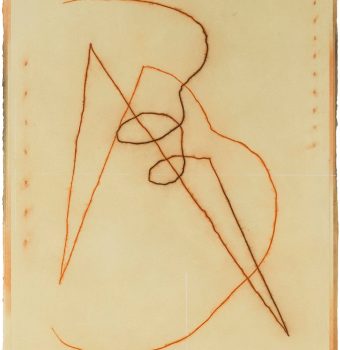
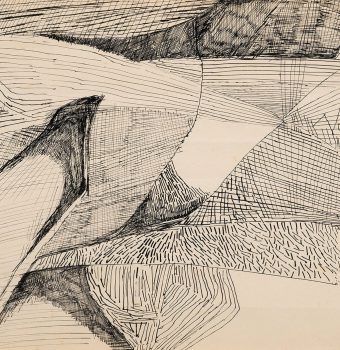
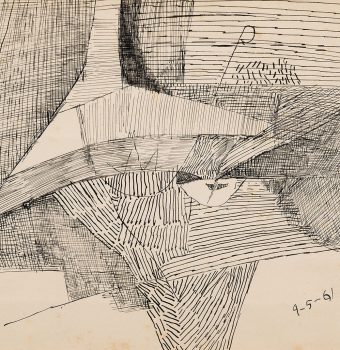
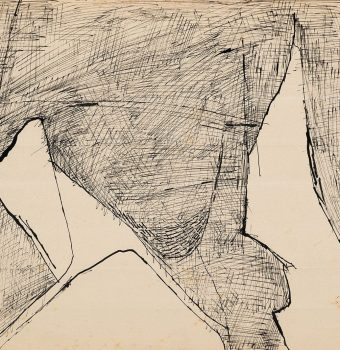
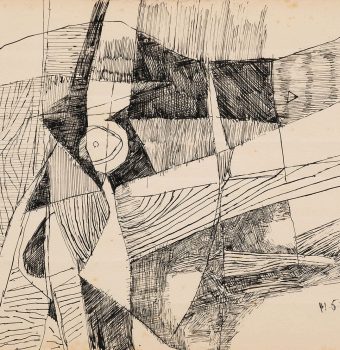
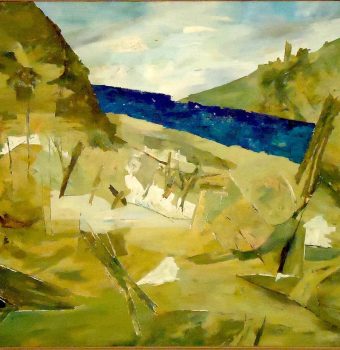
On the other hand, the dominant abstract expression among the generation of Indian modernists of the 1940s and 1950s was inspired and shaped primarily by Western Abstractionist ideas. V.S. Gaitonde, Ram Kumar, Rajendra Dhawan, V. Viswanadhan, Bimal Dasgupta and a host of others — a few of whom settled abroad — gradually took over. Later on, in Kolkata, Ganesh Haloi, an art professor, emerged. He followed a reductionist and minimalist form that finally paved the way to the generations of the 1980s and 1990s, who provided a fresh impetus to Indian abstraction.
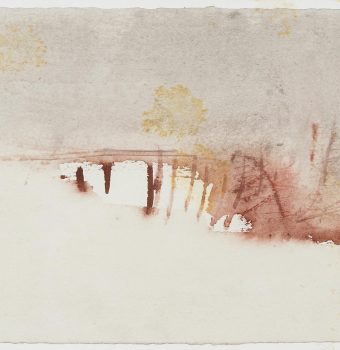
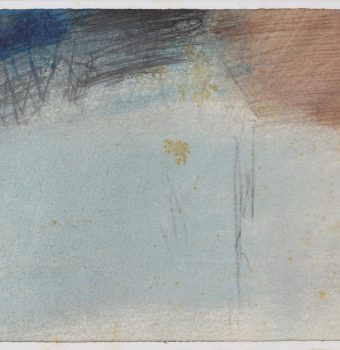
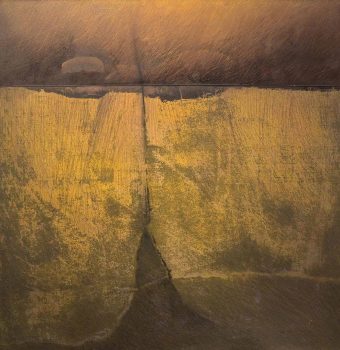
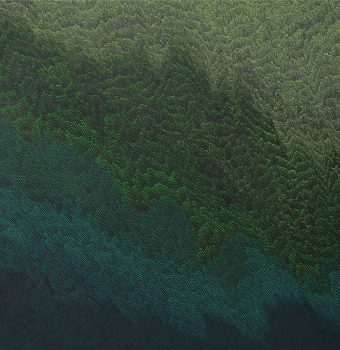
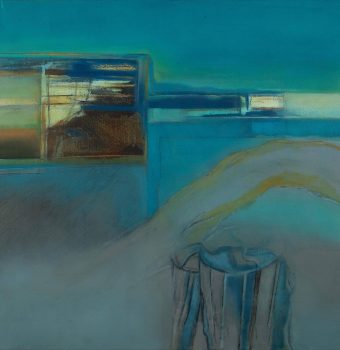
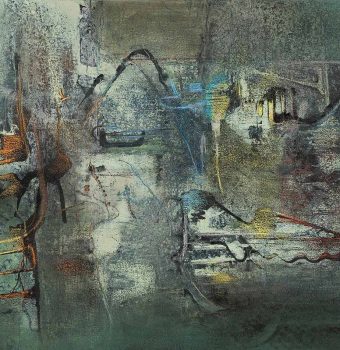
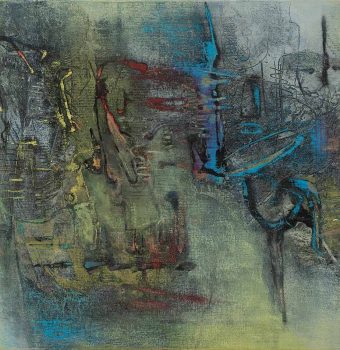
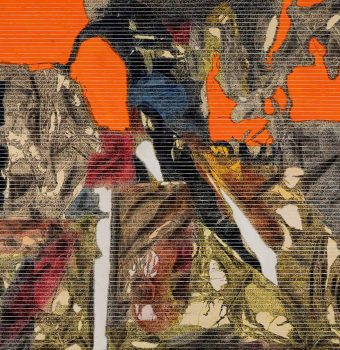
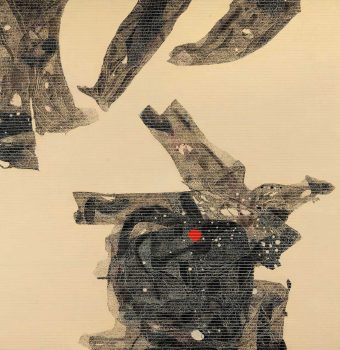
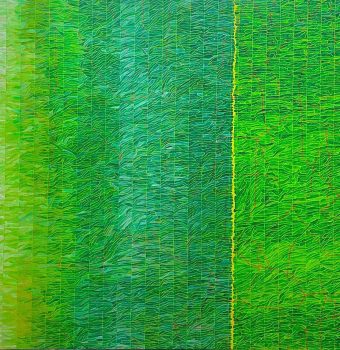
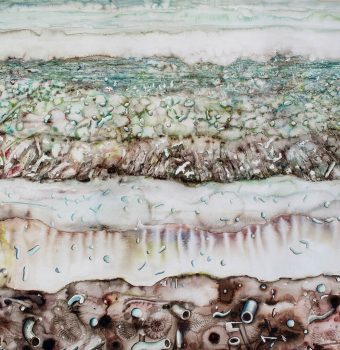
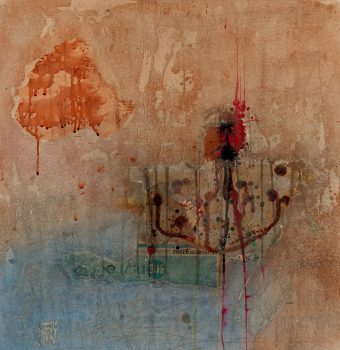
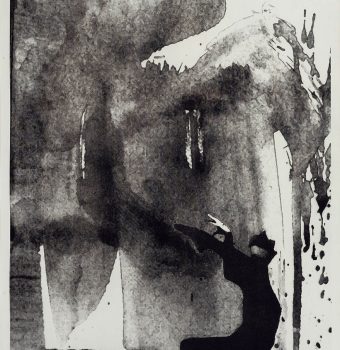
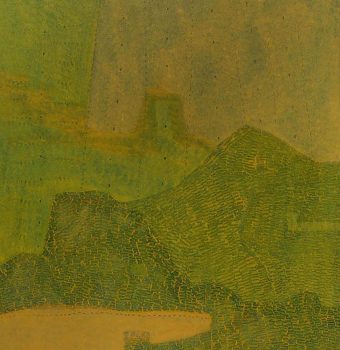
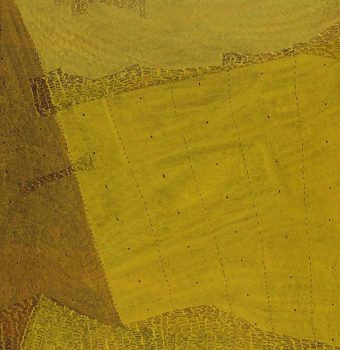
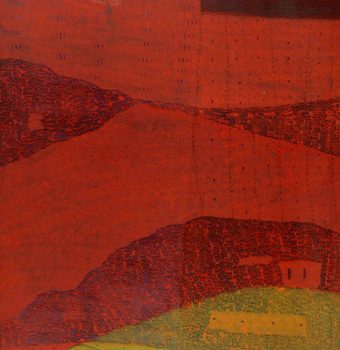
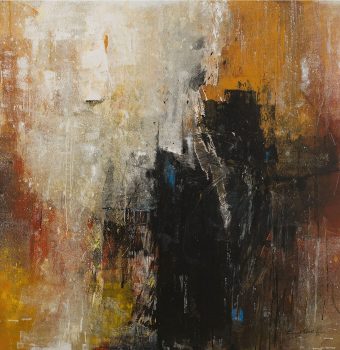
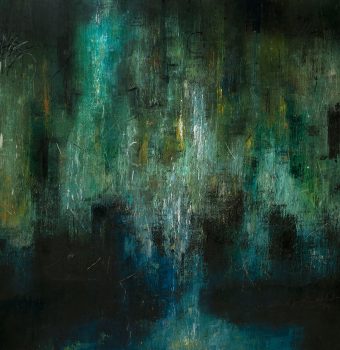
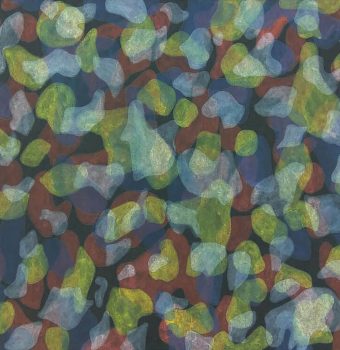
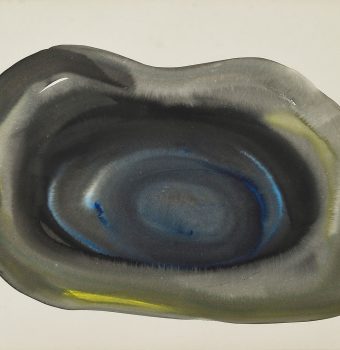
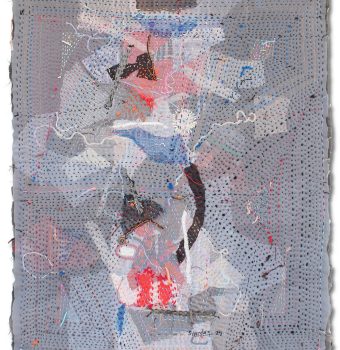
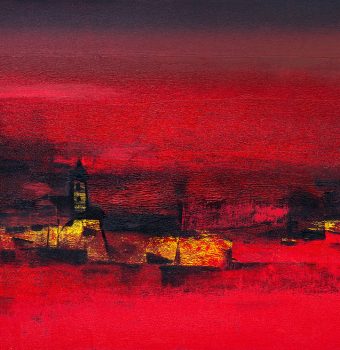
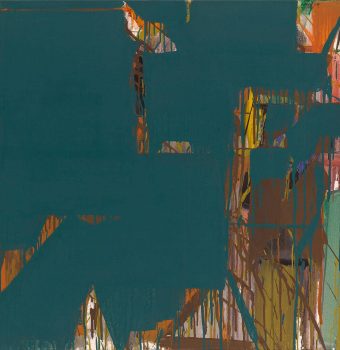
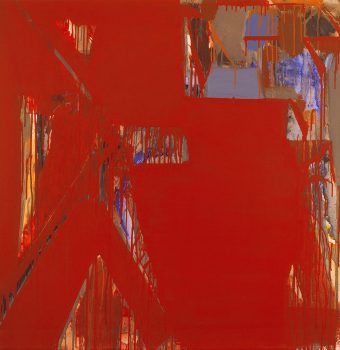
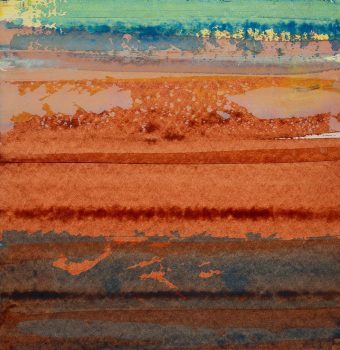
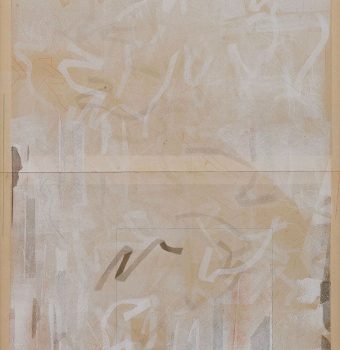
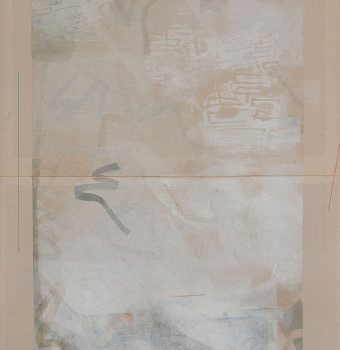
Experiments by Prabhakar Kolte, Mona Rai, Yusuf, Akhilesh, Yogesh Rawal, Rajesh Ambalkar, Seema Ghurayya and others followed. While Pradip Rakshit dwells on Nature, the ephemeral textures and impressions of time past, Kolte gives a fleeting glance (or darshan) of material objects and cityscapes; Vishakha Apte lingers on abstract renderings of deeply-felt emotional longings; while the late Badhan Das dwelt on the mysteries of existential lacunae and detachment. Samindranath Majumdar’s art, on the other hand, uses the landscape of memories as a metaphor for human psyche.
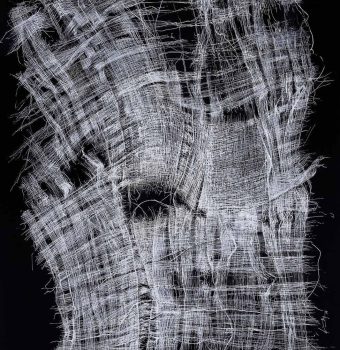
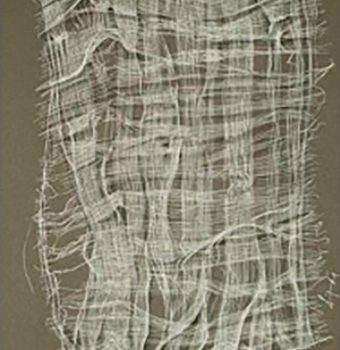
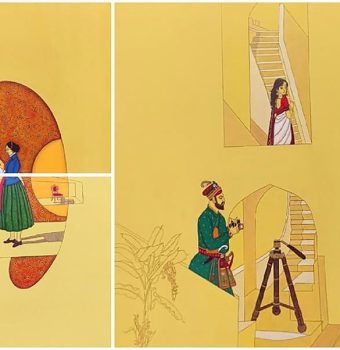
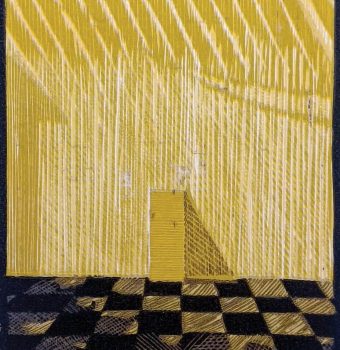
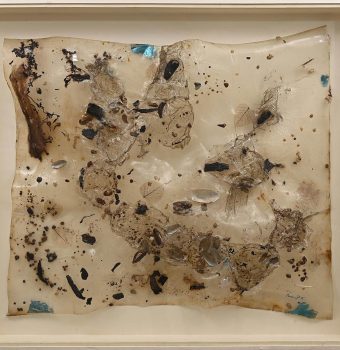
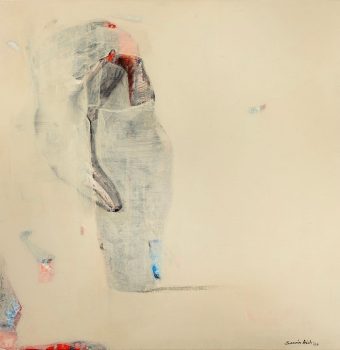
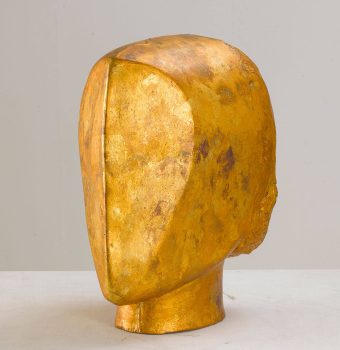
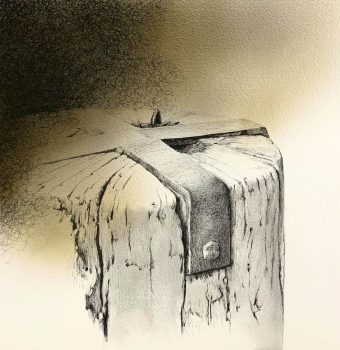
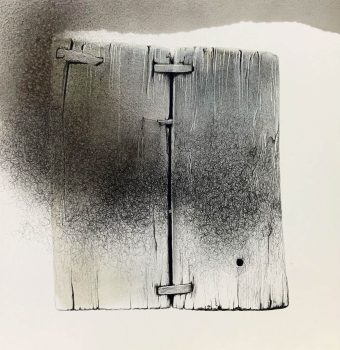
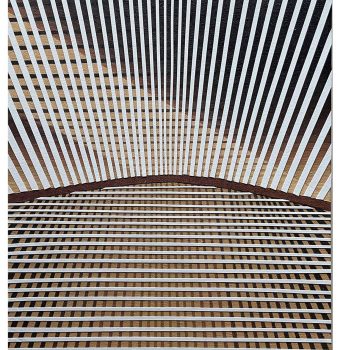
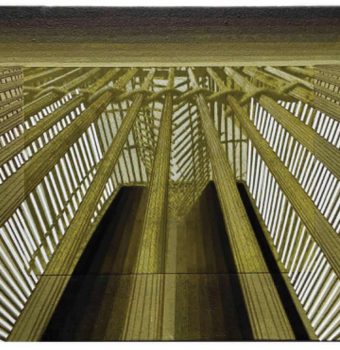
With Samir Aich’s minimalist rendering of the cruel remains of an eerie life, this exhibition moves to Generation Z. Through a host of artists from Maharashtra, Bhopal and North India, we enter the phase inspired by pop art, computer graphics, Indian miniatures and photography, capturing the multifaceted aspects of Indian minimalism and abstraction. Soumitra Das provides an overview of all the participating artists and their respective ouvres.
It was important to provide a preamble on Western Abstraction, given its overriding impact on Indian artists. I would like to take this opportunity to thank the participants and lenders for their unequivocal support in making this exhibition possible.