Maximalism was essentially a movement that resurfaced prominently in the 1960s to counter nearly six decades of minimalism that had swept the Western art world since the turn of the twentieth century.
In the Oriental world — visible in frescoes, textiles, tapestries, and decorative elements adorning places of habitation, centres of worship, and memorials — maximalism has always been a widely prevalent mode of expression since ancient times. As cultures overlapped, lending complexity and grandeur to the broader civilizational matrix, the rise and persistence of maximalism may well have been a result of natural cultural expediency.
Maximalism encompasses an element of overspill — layered cultural memories, rich adornments, and intricate details waiting to be explored. In Europe, it often combined a sense of controlled chaos with the idealised beauty inherited from the classical period. In the Orient, it absorbed elements from the Hellenistic period and experimented with emotion, drama, and naturalistic modes, while wholeheartedly celebrating diversity.
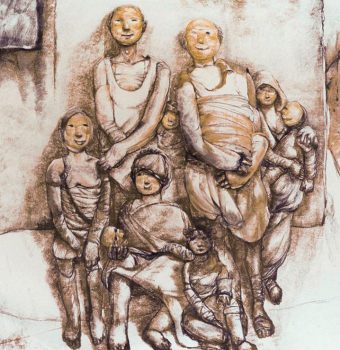
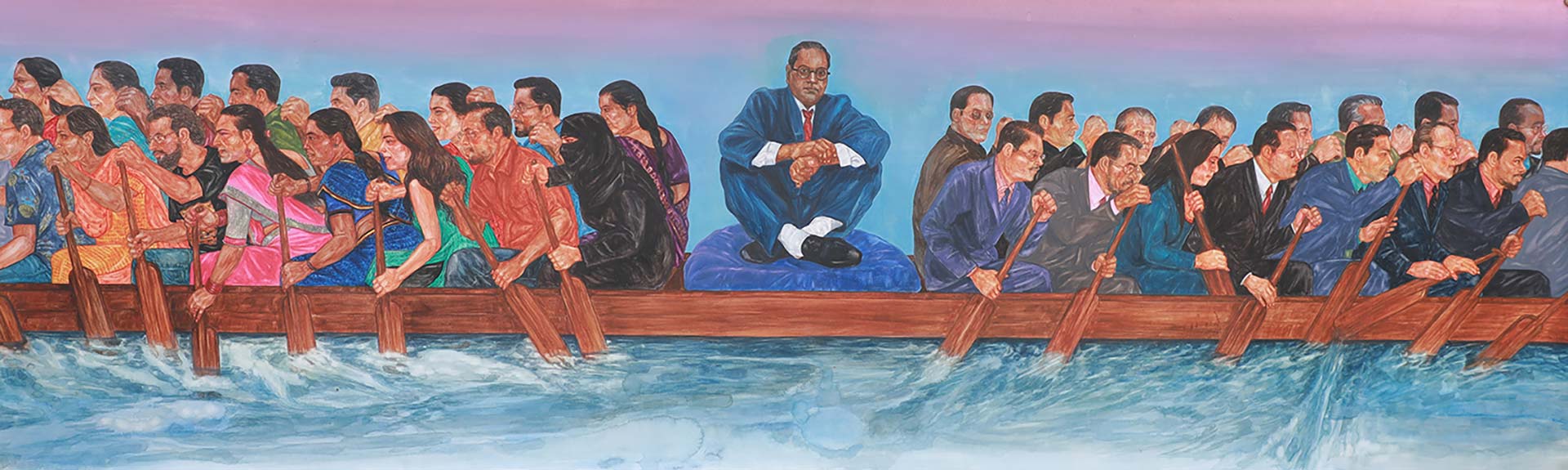
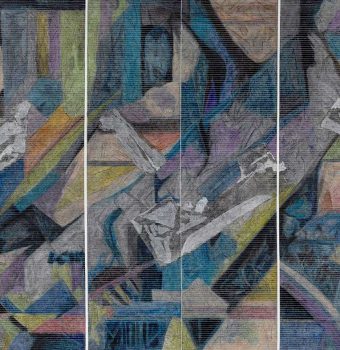
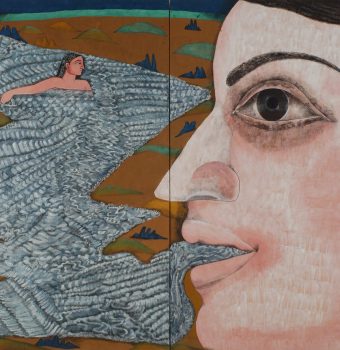
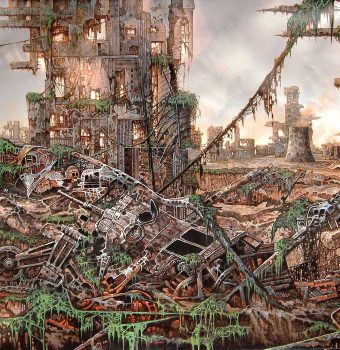
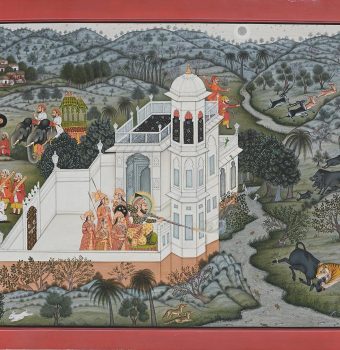
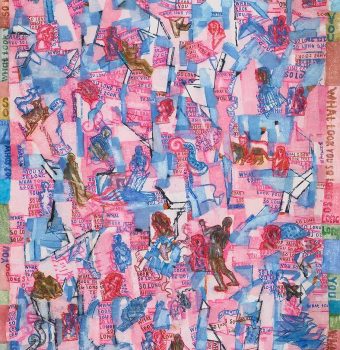
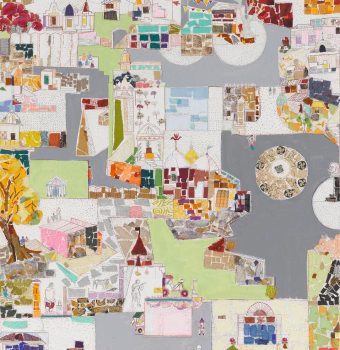
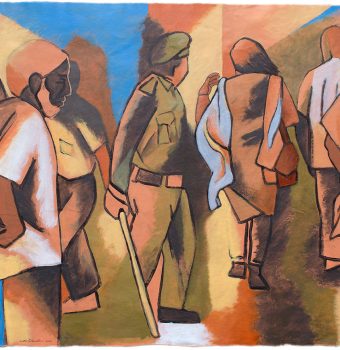
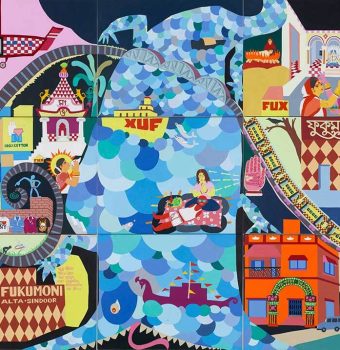
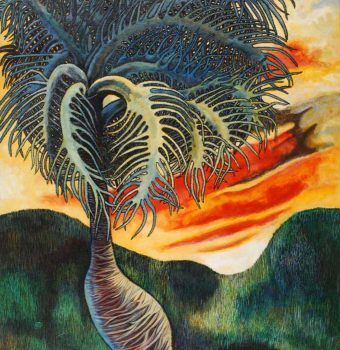
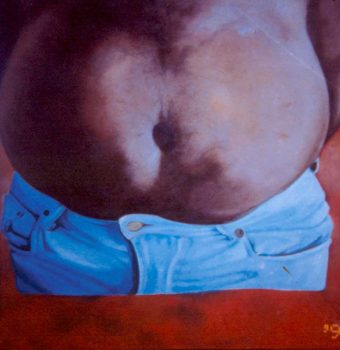
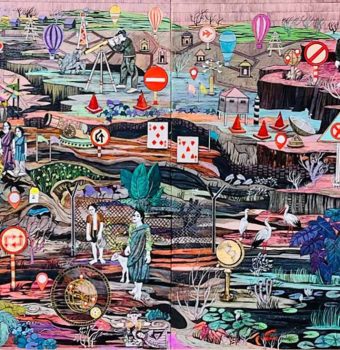
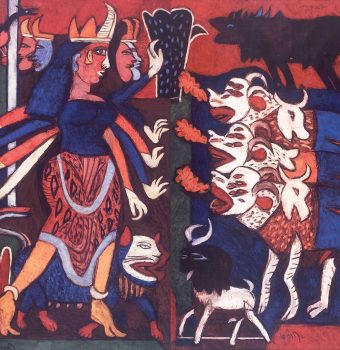
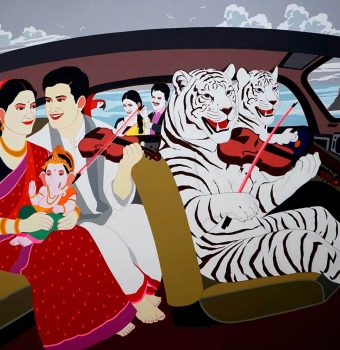
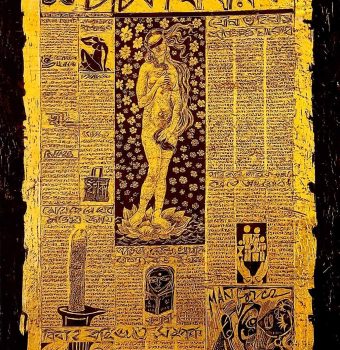
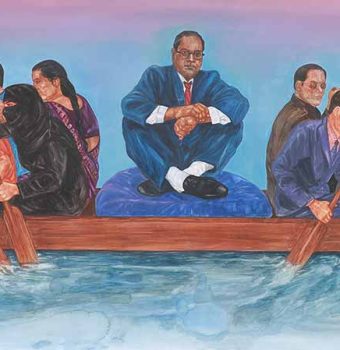
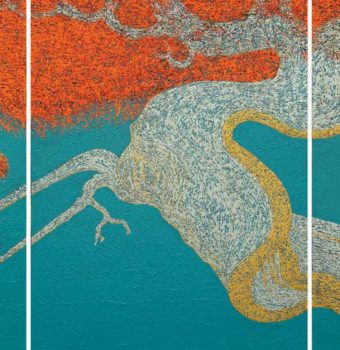
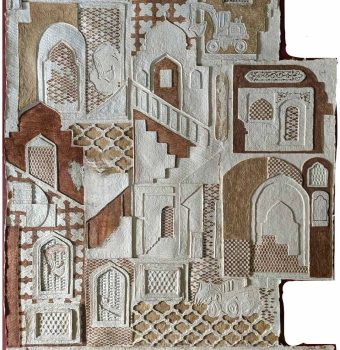
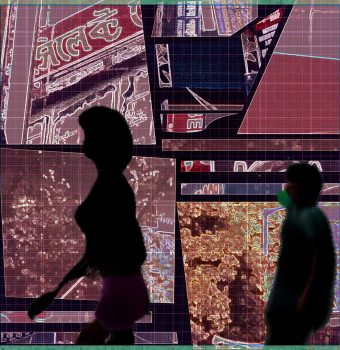
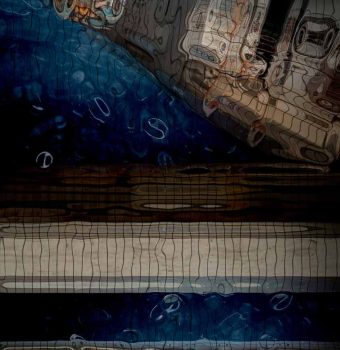
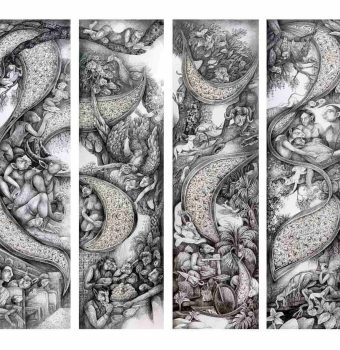
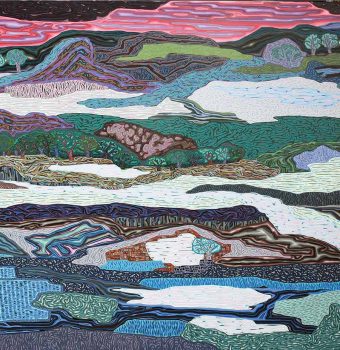
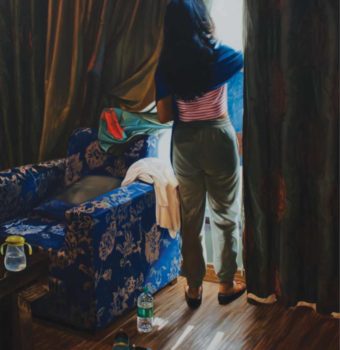
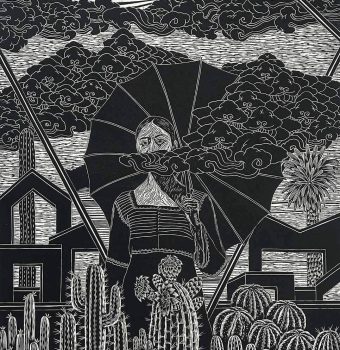
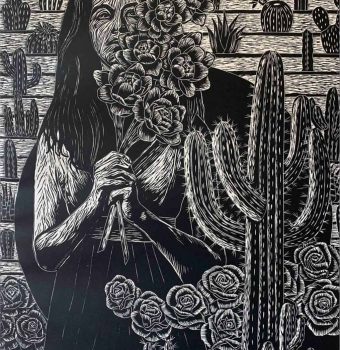
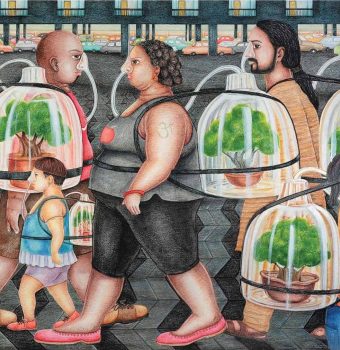
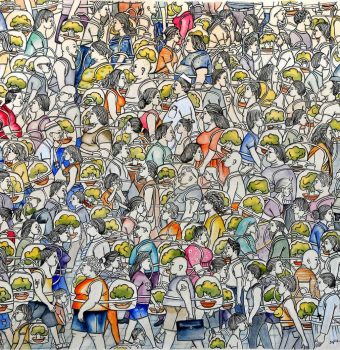
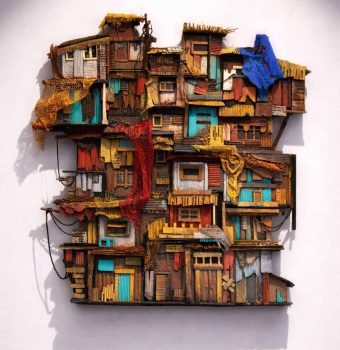
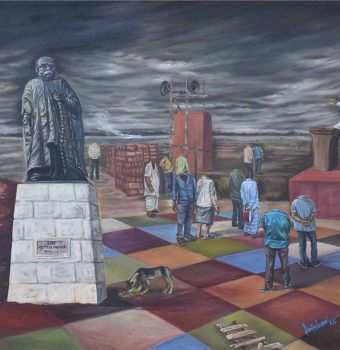
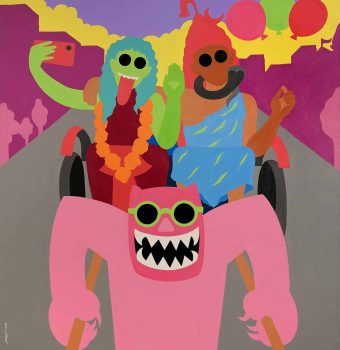
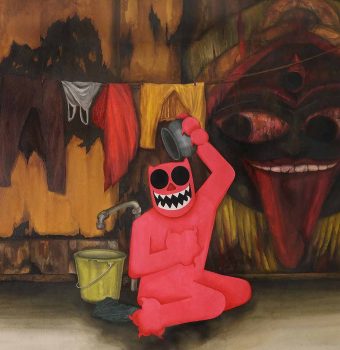
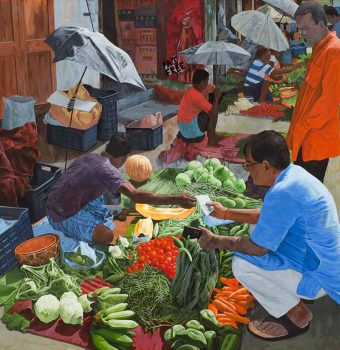
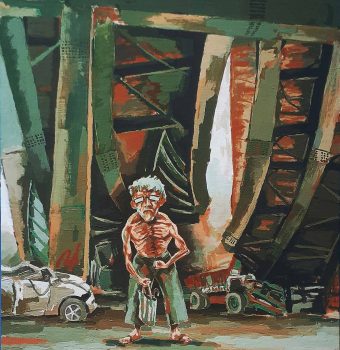
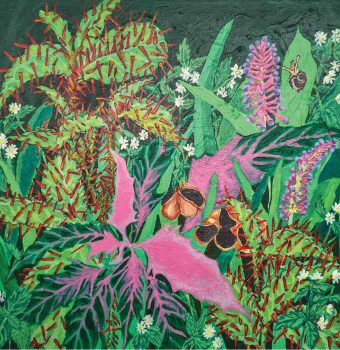
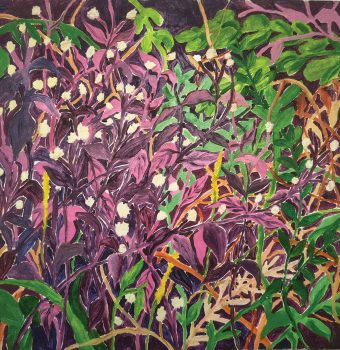
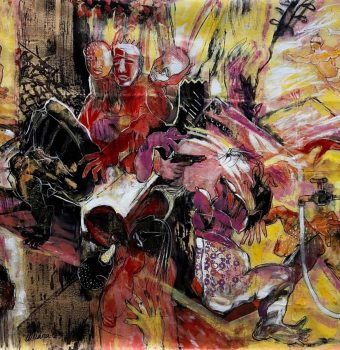
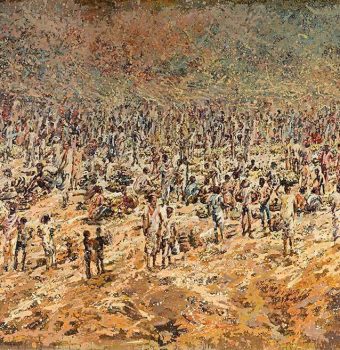
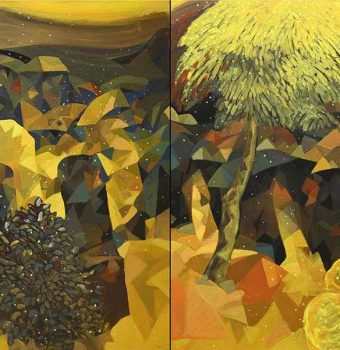
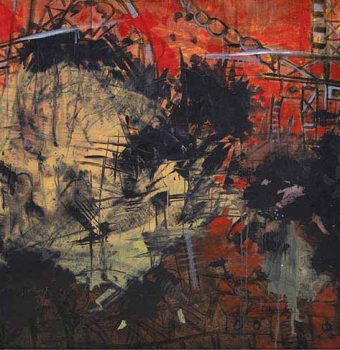
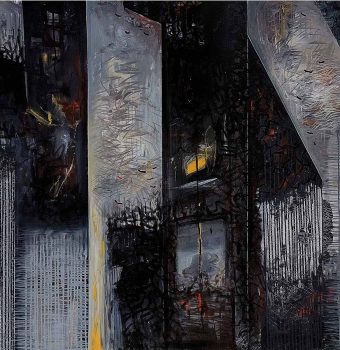
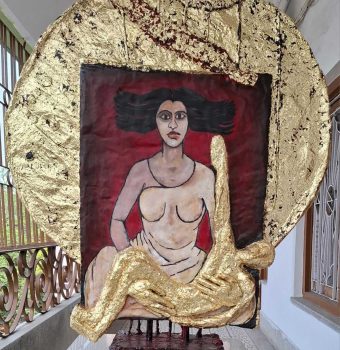
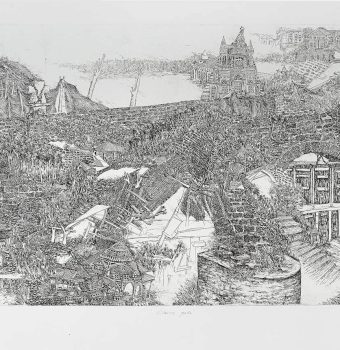
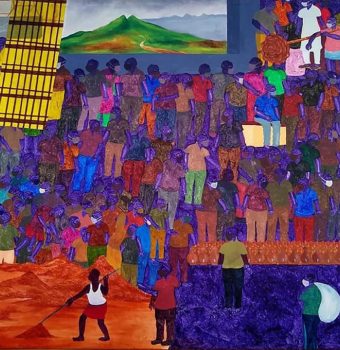
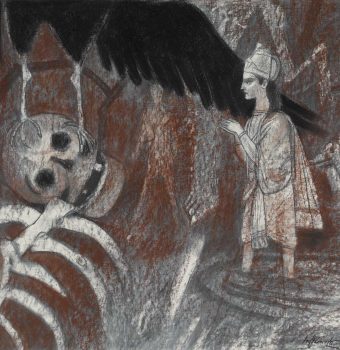
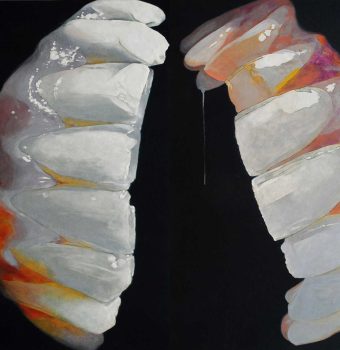
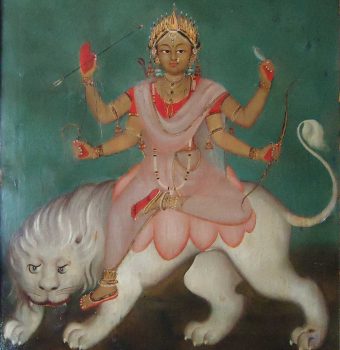
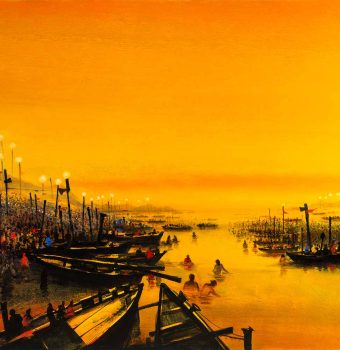
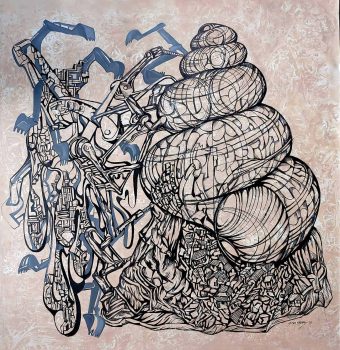
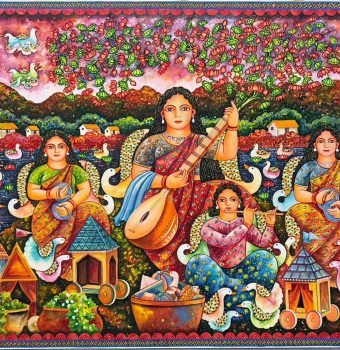
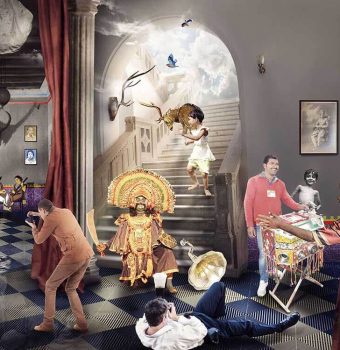
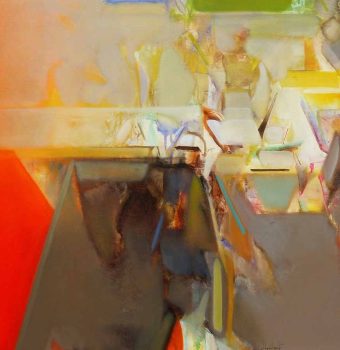
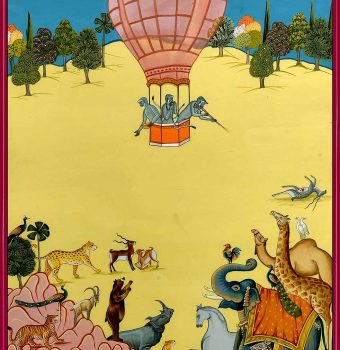
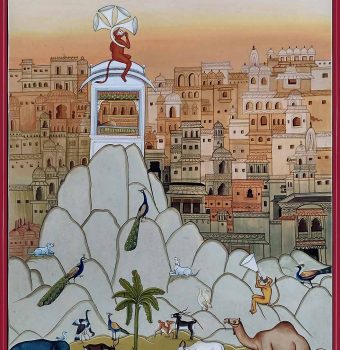
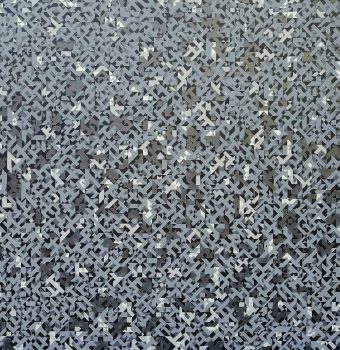
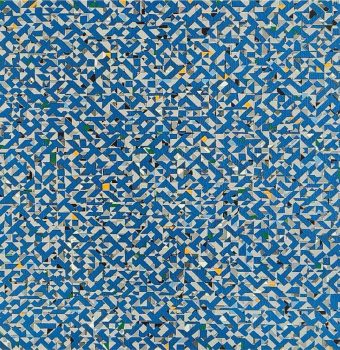
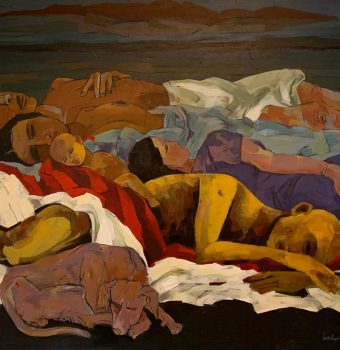
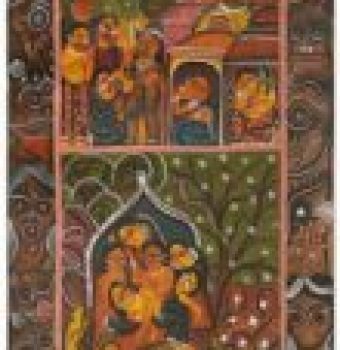
CIMA takes the opportunity to explore this idea in Summer Show 2026. The exhibition attempts to present works spanning from the nineteenth century to the present day. The modern and contemporary sections feature artists from across India, cutting across both figurative and abstract expressions. Maximalist tendencies are evident in the works, highlighting distinctive artistic processes and individual conceptual approaches.
We have selected artworks that reflect decorative richness of composition, generous use of gold, and bold, untamed colour palettes. As a famous designer once remarked, “More is more, and less is a bore.” For us at CIMA, this exhibition becomes a joyful celebration of human emotion, grandeur, and abundance. Here, traditional rasas blend seamlessly with modern and contemporary ideas, creating a stunning visual extravaganza.
Summer Show 2026, aims to provoke, delight, raise compelling questions, and bring intriguing artistic fringes into sharper focus.